Trezor.io/Start – Official Setup and Security Guide for Trezor Wallet Users
Cryptocurrency ownership requires a strong focus on security. Unlike traditional banking systems, digital assets are controlled entirely by private keys. If those keys are lost or exposed, access to funds may be permanently lost. For this reason, many users rely on hardware wallets to protect their crypto holdings.
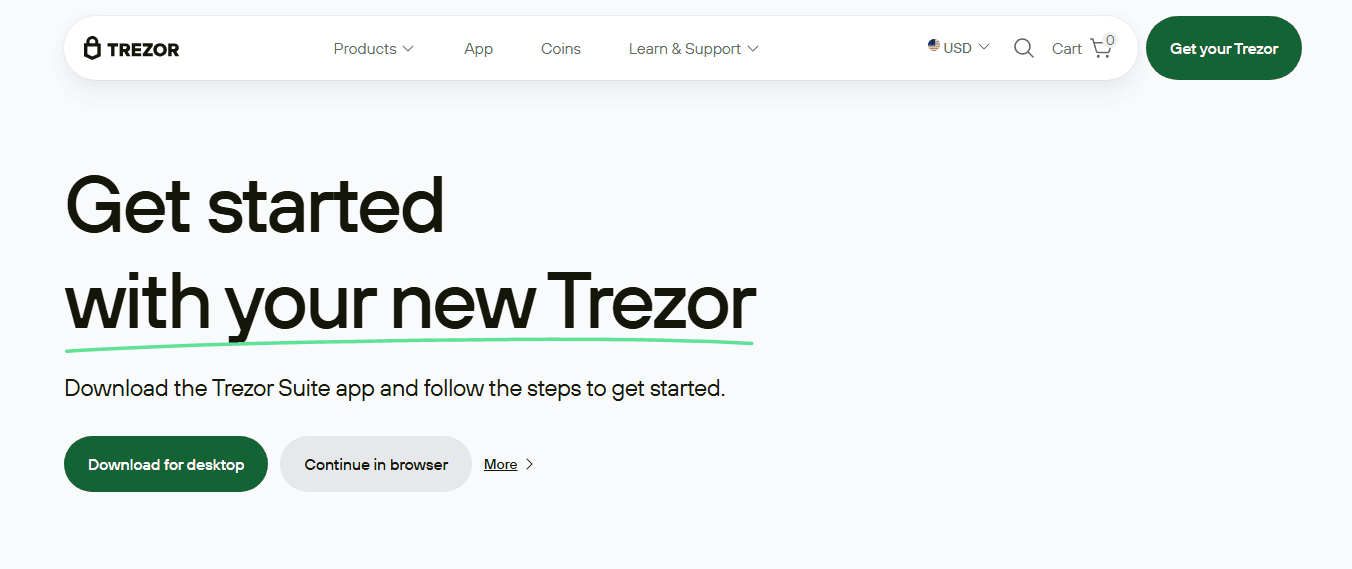
Trezor is one of the most established hardware wallet brands, known for its emphasis on transparency and offline security. The official starting point for setting up a Trezor wallet is Trezor.io/start. This page provides verified instructions, genuine software, and essential security steps required to safely initialize a Trezor device.
This guide explains the purpose of Trezor.io/start, how to use it correctly, and why it is critical for protecting digital assets.
What Is a Trezor Hardware Wallet?
A Trezor hardware wallet is a physical device designed to store cryptocurrency private keys in an offline environment. Transactions are approved directly on the device, ensuring private keys never leave the hardware wallet or appear on an internet-connected system.
This offline design significantly reduces the risk of:
Malware attacks
Phishing attempts
Exchange hacks
Unauthorized access
Trezor wallets are developed by SatoshiLabs and are widely used by individuals seeking full control over their digital assets.
Trezor Wallet Models
Trezor currently offers two primary models:
Trezor Model One
Button-based interface
Compact and affordable
Suitable for beginners
Trezor Model T
Touchscreen display
Advanced backup options
Supports additional security features
Regardless of the model, the setup process begins at Trezor.io/start.
Understanding Trezor.io/Start
Trezor.io/start is the official onboarding page created by Trezor for device initialization. It ensures that users follow a secure, verified process when setting up or restoring a wallet.
The page helps users:
Download official Trezor software
Install or verify firmware
Create a new wallet
Restore an existing wallet
Learn essential security practices
Using this page is strongly recommended to avoid counterfeit software and setup scams.
Why Trezor.io/Start Is Essential
Fake wallet setup websites are a common method used by scammers to steal cryptocurrency. These websites often look identical to official pages and attempt to trick users into revealing recovery phrases.
Using Trezor.io/start ensures:
Authentic firmware installation
Verified software downloads
Secure wallet creation
Protection from phishing attempts
Users should always manually enter the website address into their browser.
Preparing for Wallet Setup
Before beginning the setup process, users should ensure they have the following:
A new or factory-reset Trezor device
A desktop or laptop computer
Internet access
Original USB or USB-C cable
Pen and paper for backup
A private, secure location
Recovery information should never be stored digitally.
Step-by-Step Guide to Using Trezor.io/Start
Step 1: Visit the Official Setup Page
Open a browser and navigate to Trezor.io/start. Select the correct device model and connect the Trezor to the computer.
New devices do not include firmware by default as a security measure.
Step 2: Install Trezor Suite
The setup page will guide users to download Trezor Suite, the official wallet management application.
Trezor Suite allows users to:
Store and manage cryptocurrencies
Send and receive transactions
View balances and history
Configure security settings
Update device firmware
Only install Trezor Suite from the official website.
Step 3: Firmware Installation
Firmware is the internal software that runs on the Trezor device. During setup, users are required to install the latest firmware version.
Important points:
Firmware installation must be confirmed on the device
Authenticity checks are performed automatically
Updates improve security and compatibility
Do not disconnect the device during this process.
Step 4: Wallet Creation or Recovery
Users are presented with two options:
Create a New Wallet
This option generates a new wallet with a unique recovery seed.
Recover an Existing Wallet
This option restores a wallet using an existing recovery seed.
All recovery words are entered directly on the Trezor device.
Step 5: Backup the Recovery Seed
The device will generate a 12-word or 24-word recovery seed. This seed is the only way to restore access to the wallet.
Best practices include:
Writing each word clearly in the correct order
Storing the backup offline
Protecting it from damage
Never sharing it with anyone
Never storing it on a phone or computer
Loss of the recovery seed results in permanent loss of access.
Step 6: Confirm the Recovery Seed
Users must confirm selected words from the recovery seed. This step verifies that the backup was recorded correctly.
If confirmation fails, users should restart the setup and create a new wallet.
Step 7: Create a PIN Code
A PIN code protects the device from unauthorized access.
PIN entry uses a randomized layout
Incorrect attempts result in increasing delays
PIN is required every time the device is connected
The PIN should be stored separately from the recovery seed.
Using the Wallet After Setup
Once setup is complete, users can manage assets using Trezor Suite.
Receiving Cryptocurrency
Generate a receiving address
Verify the address on the Trezor screen
Share the verified address
Sending Cryptocurrency
Enter transaction details in Trezor Suite
Confirm the amount and address on the device
Approve the transaction manually
Always trust the hardware wallet screen over the computer display.
Supported Cryptocurrencies
Trezor supports a wide range of digital assets, including:
Bitcoin (BTC)
Ethereum (ETH)
Litecoin (LTC)
Cardano (ADA)
Polygon (MATIC)
ERC-20 tokens
Asset support may vary by model and firmware version.
Advanced Security Options
Passphrase Protection
Adds an extra secret word to the wallet, creating additional accounts.
Hidden Wallets
Allows multiple wallets derived from the same recovery seed.
Shamir Backup (Model T Only)
Splits the recovery seed into multiple shares for improved backup security.
Common Mistakes to Avoid
Using unofficial setup websites
Sharing recovery phrases
Storing backup digitally
Buying pre-owned hardware wallets
Ignoring firmware updates
Most crypto losses result from recovery seed exposure.
If a Trezor Device Is Lost
If a device is lost or damaged:
Funds remain secure
Wallet can be restored using the recovery seed
A replacement device can be used
Without the recovery seed, access cannot be recovered.
Why Trezor Is Widely Trusted
Trezor is trusted because of:
Open-source firmware
Transparent development
Strong security design
Long-standing reputation
Active global community
Trezor.io/start is a key component of this trust.